
Cooking channels vs cooking websites, which one actually helps people learn recipes better? This question matters more than ever as home cooks have endless options for culinary education. YouTube cooking channels offer visual demonstrations and personality-driven content. Cooking websites provide written recipes, detailed instructions, and searchable databases. Both platforms serve millions of users daily, but they deliver information in fundamentally different ways. The best choice depends on learning style, available time, and cooking goals. This guide breaks down the strengths and weaknesses of each format to help readers find their ideal learning resource.
Table of Contents
ToggleKey Takeaways
- Cooking channels excel at teaching visual techniques and building engaged communities, making them ideal for beginners learning foundational skills.
- Cooking websites offer faster access to recipes with searchable databases, easy scaling, and print-friendly formats for efficient meal preparation.
- When comparing cooking channels vs cooking websites, your learning style matters most—visual learners benefit from video while reading-focused learners prefer written instructions.
- Experienced home cooks save time with recipe websites, while those exploring new cuisines benefit from watching video demonstrations.
- The smartest approach combines both: use cooking channels for technique inspiration and cooking websites for quick recipe access during meal prep.
How Cooking Channels Deliver Content
Cooking channels present recipes through video format. Viewers watch hosts prepare dishes from start to finish. This visual approach shows techniques that written instructions struggle to explain.
Popular cooking channels like Bon Appétit, Joshua Weissman, and Binging with Babish attract millions of subscribers. These creators demonstrate knife skills, cooking temperatures, and plating techniques in real time. Viewers see exactly how a properly caramelized onion looks or when pasta reaches al dente.
The entertainment factor sets cooking channels apart. Hosts develop personalities that keep audiences engaged. A 15-minute video feels shorter than reading a 15-minute recipe. This engagement helps viewers stay motivated through longer, more complex dishes.
Cooking channels also build community. Comment sections become spaces for tips, substitutions, and troubleshooting. Viewers share their results and ask questions. Some creators respond directly, creating a feedback loop that written recipes cannot match.
But, cooking channels have limitations. Viewers cannot easily scan for specific information. Finding the exact moment when a host adds salt requires scrubbing through the timeline. Many creators now add timestamps, but the format still favors watching over referencing.
Video quality varies significantly across cooking channels. Professional productions offer multiple camera angles and clear audio. Amateur creators may struggle with lighting or sound quality that makes following along difficult.
Advantages of Cooking Websites and Blogs
Cooking websites offer a different learning experience. Readers access recipes instantly without waiting for videos to load. A quick scroll reveals ingredients, measurements, and step-by-step instructions.
Searchability gives cooking websites a major advantage. Users type “chicken thigh recipes under 30 minutes” and receive dozens of options. Filters sort by cuisine, dietary restrictions, skill level, and cooking time. This precision helps home cooks find exactly what they need.
Recipe websites allow easy scaling. Most sites include buttons to adjust servings automatically. A recipe for four people becomes a recipe for eight with one click. This feature proves invaluable for meal planning and hosting.
Print functionality matters for many cooks. A printed recipe sits on the counter during cooking. No phone screens get splattered with sauce. No tablets risk water damage near the sink.
Cooking websites vs cooking channels also differ in information density. A website recipe might include:
- Nutritional information per serving
- Prep time and cook time separately
- Storage instructions
- Make-ahead tips
- Ingredient substitutions
Food blogs often provide context that cooking channels skip. Writers explain why certain techniques work, the science behind ingredient combinations, and common mistakes to avoid. This deeper information helps cooks understand the “why” behind each step.
The drawback? Written recipes assume baseline knowledge. Phrases like “fold gently” or “until golden brown” mean different things to different readers. Without visual reference, beginners may struggle to interpret instructions correctly.
Key Differences in Learning Experience
The cooking channels vs cooking websites debate centers on learning style. Visual learners benefit from watching techniques demonstrated. Reading-focused learners prefer detailed written instructions.
Speed of Information Access
Cooking websites win for quick reference. A home cook mid-recipe can glance at the next step in seconds. Cooking channels require pausing, rewinding, and searching for specific moments. When hands are covered in flour, scrolling through video feels impractical.
Depth of Technique Instruction
Cooking channels excel at teaching physical techniques. Written descriptions cannot fully capture the motion of julienning vegetables or the sound of a properly heated pan. Video shows these details naturally.
Retention and Recall
Studies suggest people retain information differently across formats. Some remember visual demonstrations better. Others prefer reading and re-reading instructions. Neither format proves universally superior for memory retention.
Accessibility Considerations
Cooking websites work better for users with hearing difficulties. Cooking channels serve users who struggle with written instructions. Both formats have made accessibility improvements, but fundamental format differences remain.
Cost and Equipment
Both options typically cost nothing. But, cooking channels require stable internet for streaming. Websites load faster on slower connections and use less data. For users with limited bandwidth, text-based recipes prove more practical.
Update Frequency
Cooking channels release new content on schedules. Popular creators post weekly or bi-weekly. Cooking websites update continuously, with thousands of new recipes appearing daily across the internet. Users seeking variety find more options through websites.
Choosing the Right Platform for Your Cooking Goals
The cooking channels vs cooking websites choice depends on individual needs. Different goals call for different platforms.
For Complete Beginners
Cooking channels offer the best starting point. Watching someone cook provides context that written recipes cannot. Beginners learn what properly chopped onions look like, how fast to stir a sauce, and when food reaches the right color. These visual cues build foundational skills.
For Experienced Home Cooks
Cooking websites serve experienced cooks better. These users need recipes, not tutorials. They understand technique and want efficient access to ingredients and instructions. Websites deliver this information without the time investment of video.
For Learning New Cuisines
Cooking channels help when exploring unfamiliar cuisines. Technique matters more when working with new ingredients and methods. Watching someone make handmade pasta or fold dumplings provides crucial visual guidance.
For Busy Weeknight Cooking
Cooking websites win for everyday meals. Quick searches find recipes matching available ingredients and time constraints. No one wants to watch a 20-minute video before making Tuesday dinner.
For Entertainment Value
Cooking channels provide entertainment that websites cannot match. Many viewers watch cooking content without any intention of cooking. The personality-driven format creates engaging content beyond pure instruction.
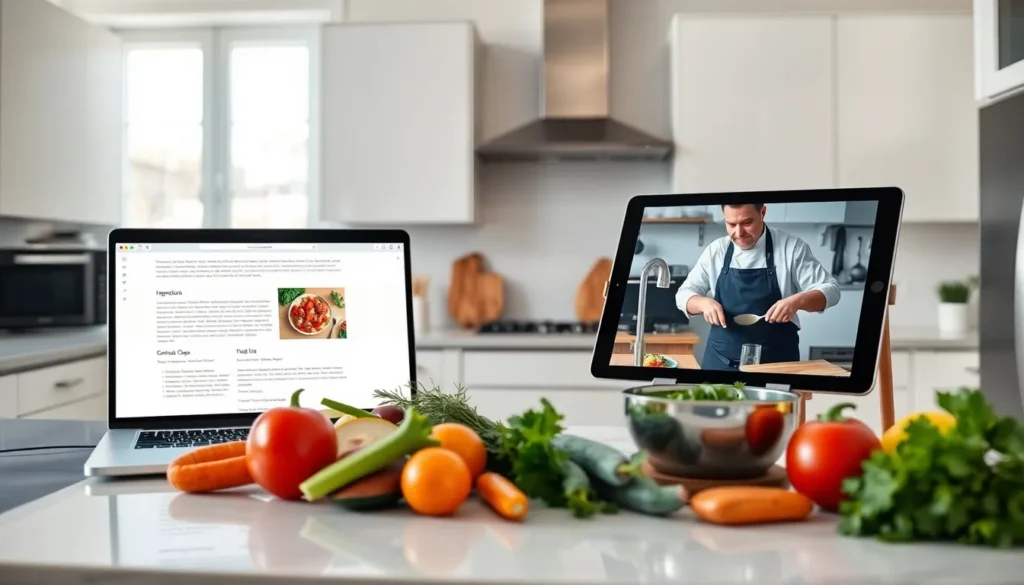
The smartest approach combines both platforms. Watch cooking channels to learn techniques and discover inspiration. Use cooking websites to access recipes efficiently during actual cooking. This hybrid method captures the strengths of each format.