
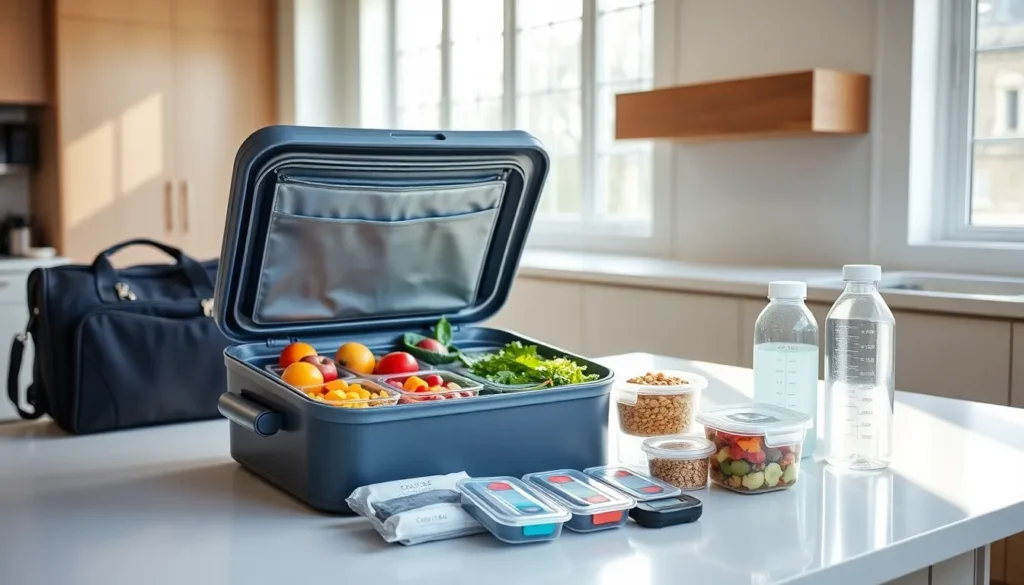

Learning how to travel food safely can save money, reduce stress, and keep dietary needs on track during any trip. Whether someone is road-tripping across states or flying internationally, bringing food along requires planning. The right containers, smart food choices, and proper storage techniques make all the difference between a fresh meal and a spoiled disaster. This guide covers everything travelers need to know about packing, preserving, and transporting food, plus how to handle airport security and border regulations without a hitch.
Table of Contents
ToggleKey Takeaways
- Invest in leak-proof, airtight containers and appropriate coolers to keep travel food fresh and organized throughout your trip.
- Choose shelf-stable options like nuts, dried fruits, and jerky alongside sturdy fresh foods like whole fruits and hard cheeses for easy, no-refrigeration snacking.
- Keep perishable foods below 40°F using frozen gel packs placed on top of food, and discard anything left in the danger zone for more than two hours.
- Solid foods pass through TSA without restrictions, but liquids like hummus and peanut butter must follow the 3.4-ounce rule for carry-on bags.
- Check destination country regulations before packing food internationally, as most countries restrict fresh produce, meat, and dairy products.
- Learning how to travel food safely saves money, reduces stress, and ensures you maintain your dietary needs on any trip.
Choosing the Right Containers and Coolers
The foundation of successful travel food starts with proper containers. Travelers should invest in leak-proof, airtight containers that stack easily and fit into bags or coolers without wasting space.
Hard-Sided vs. Soft-Sided Coolers
Hard-sided coolers keep food colder longer, often 3 to 5 days with proper ice management. They’re ideal for road trips or camping where space isn’t limited. Soft-sided coolers weigh less and fit under airplane seats or in tight car spaces. They typically maintain cold temperatures for 12 to 24 hours.
Container Materials That Work Best
Glass containers won’t absorb odors or stain, but they add weight and can break. BPA-free plastic containers offer durability and light weight for travel food needs. Stainless steel options provide excellent temperature retention and resist damage.
For liquids like soups or smoothies, travelers should choose containers with silicone seals. These prevent leaks during turbulence or bumpy roads. Mason jars work well but require padding to prevent breakage.
Size and Organization Tips
Smaller containers allow portion control and easier packing. Travelers can use different sizes for snacks, meals, and condiments. Labeling containers with contents and dates helps track freshness. Vacuum-sealed bags compress food and extend shelf life, perfect for anyone serious about how to travel food efficiently.
Best Foods to Pack for Travel
Not all foods survive travel equally. Smart travelers pick items that stay fresh, don’t require refrigeration, and provide sustained energy.
Shelf-Stable Options
Nuts, seeds, and dried fruits last for days without refrigeration. Nut butter packets, crackers, and whole grain bars provide quick nutrition. Jerky, beef, turkey, or plant-based, delivers protein without spoilage concerns.
Trail mix combines multiple nutrients in one portable package. Travelers should make their own to avoid excess sugar found in store-bought versions.
Fresh Foods That Travel Well
Whole fruits like apples, oranges, and bananas have natural protective skins. Cherry tomatoes, baby carrots, and snap peas stay crisp for hours at room temperature. Hard cheeses last longer than soft varieties without refrigeration.
For sandwiches, travelers should pack ingredients separately. Bread stays fresh, and toppings don’t make it soggy. This approach keeps travel food appetizing rather than disappointing.
Meals Worth Preparing Ahead
Grain salads with quinoa or farro hold up well and taste good cold. Wraps with hummus, vegetables, and grilled chicken travel better than traditional sandwiches. Hard-boiled eggs provide protein but need ice within two hours.
Homemade energy balls with oats, honey, and peanut butter offer customizable snacking. They freeze well and thaw during transit.
Keeping Food Fresh and Safe During Your Trip
Food safety during travel prevents illness and wasted meals. Temperature control matters most, the danger zone between 40°F and 140°F allows bacteria to multiply rapidly.
Ice Pack Strategies
Frozen gel packs last longer than regular ice and don’t create messy water puddles. Travelers should freeze water bottles to serve dual purposes: cooling food now, drinking later. Placing ice packs on top of food works better since cold air sinks.
For longer trips, travelers can freeze entire meals. They’ll thaw slowly while keeping surrounding items cold. This technique extends cooler effectiveness by 24 to 48 hours.
Temperature Monitoring
Small thermometers cost under $10 and eliminate guesswork. Perishable travel food should stay below 40°F. If food sits above this temperature for more than two hours, it should be discarded.
Preventing Cross-Contamination
Raw meats need separate containers from ready-to-eat foods. Travelers should pack hand sanitizer or wipes for cleaning hands before eating. Cutting boards and utensils should be washed between different food types.
For car travel, keeping the cooler in the air-conditioned cabin, not the hot trunk, maintains safer temperatures. Every time the cooler opens, cold air escapes, so travelers should organize contents for quick access.
Navigating Airport and Border Food Restrictions
Airport security and international borders have specific rules about travel food. Knowing these regulations prevents confiscated items and delays.
TSA Rules for Domestic Flights
Solid foods pass through security without restrictions in carry-on bags. Liquids, gels, and spreads follow the 3.4-ounce rule unless they’re baby food or medically necessary. Peanut butter, hummus, yogurt, and jelly count as liquids.
Frozen items are allowed if they’re completely solid at the checkpoint. Partially melted gel packs may be confiscated. Travelers should freeze items thoroughly or use TSA-approved ice packs.
International Travel Considerations
Most countries restrict fresh produce, meat, and dairy products. The USDA prohibits many food items from entering the United States. Travelers should check destination country regulations before packing food.
Sealed, commercially packaged snacks typically face fewer restrictions. Declaring all food items at customs, even when unsure, avoids fines and penalties.
Practical Workarounds
Travelers can eat perishable items before reaching security or customs. Purchasing food after the checkpoint ensures no confiscation issues. For international trips, focusing on processed, shelf-stable snacks reduces border complications.
Knowing how to travel food through security makes the experience smoother and less stressful.