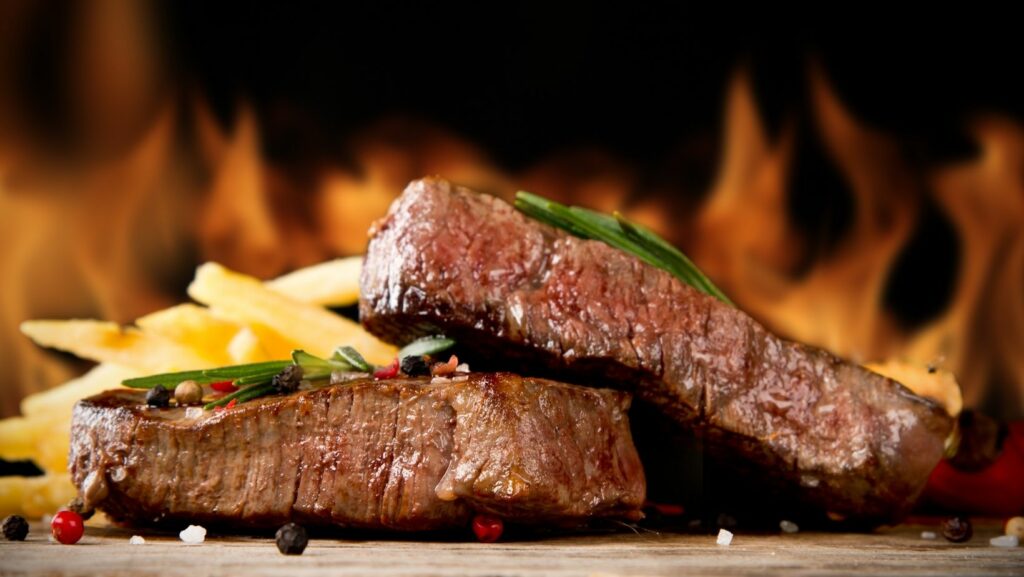

In a world where food is the new black, professional food photos are the ultimate accessory. They’re not just images; they’re mouthwatering masterpieces that can make anyone drool. Whether it’s a perfectly stacked burger or a delicate dessert, the right shot can turn a simple dish into a culinary work of art. Let’s face it, nobody wants to scroll past a sad plate of spaghetti that looks like it just lost a fight with a fork.
But it’s not just about looking good; professional food photography can elevate a brand’s presence and entice customers like never before. With the right lighting, angles, and styling, these photos can tell a story that makes taste buds tingle. So grab your camera (or hire a pro) and get ready to make your food look as delicious as it tastes. After all, in the age of Instagram, if it’s not on the feed, did it even really happen?
Importance of Professional Food Photos
Professional food photos play a crucial role in attracting and engaging customers. High-quality images significantly elevate the appeal of dishes, capturing attention and encouraging purchases.
Enhancing Visual Appeal
Visual appeal serves as the first point of contact for potential customers. Captivating images invite viewers to explore menus and restaurants. Proper lighting and thoughtful angles bring out the textures and colors of each dish, making it more enticing. Effective styling emphasizes key elements, showcasing culinary artistry that resonates with diners. Well-executed food photography turns simple meals into visually stunning masterpieces.
Impact on Consumer Behavior
Consumer behavior heavily relies on visual stimuli in the food industry. Studies indicate that 67% of consumers make purchasing decisions based on food images alone. High-quality photos create an emotional connection, making customers more likely to choose one dish over another. They evoke cravings and draw attention to unique offerings. Engaging visuals can significantly influence social media shares, expanding reach and enhancing brand loyalty in a crowded market.
Techniques for Capturing Professional Food Photos

Capturing professional food photos requires attention to detail and an understanding of essential techniques. Focusing on lighting, composition, camera settings, and equipment enhances the imagery quality.
Lighting and Composition
Natural lighting works best for food photography, as it highlights colors and textures. Soft, diffused light creates an inviting look, while harsh shadows can detract from the dish. Positioning the dish near windows maximizes the benefits of natural light. Experimenting with different angles adds variety; shooting from above or at a 45-degree angle captures unique perspectives. Framing the dish thoughtfully draws attention to its features, ensuring that elements like garnishes or plating stand out. A clean background complements the food without distraction. Lastly, using props, such as utensils or napkins, can enhance the story conveyed through the image.
Camera Settings and Equipment
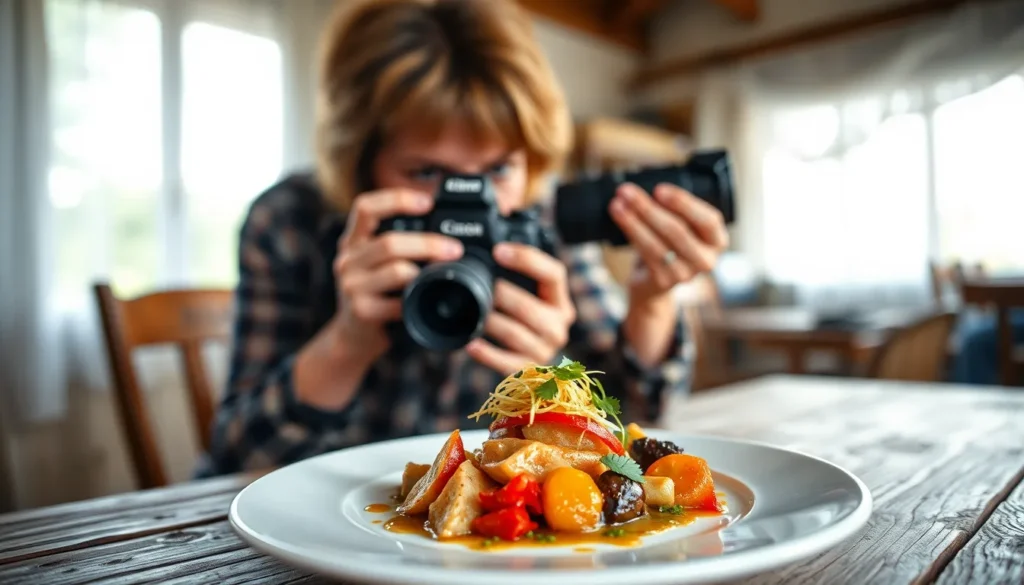
Camera choice plays a crucial role in photo quality. DSLRs or mirrorless cameras typically deliver superior results compared to smartphones. Selecting the right lens can also significantly impact the outcome; a macro lens captures intricate details in close-up shots. Adjusting the aperture allows more light for brighter images while creating a pleasing depth of field. Setting a low ISO minimizes noise for clearer photos, even in low-light conditions. Utilizing a tripod stabilizes the shot, preventing blurriness in images. Importantly, experimenting with different settings helps to find the best combination for each specific dish and context.
Editing Professional Food Photos

Editing plays a crucial role in elevating professional food photos. It enhances elements like colors and textures, creating mouthwatering images that stand out.
Common Editing Tools
Popular editing tools streamline the process of perfecting food images. Adobe Lightroom offers advanced color correction and exposure adjustments. Photoshop allows for intricate editing, including touch-ups and background changes. Mobile apps like Snapseed provide convenience for quick edits on the go. Each tool provides unique features catering to different editing needs.
Enhancing Colors and Textures
Boosting colors and textures significantly improves photo appeal. Adjusting saturation brings out vibrant hues, while tweaks to contrast highlight details. Applying sharpening can accentuate textures, making food look more appetizing. Utilizing selective editing, like brightening specific areas, draws attention to focal points. This careful enhancement transforms standard images into stunning visual representations of culinary delights.
Trends in Professional Food Photography
Trends in professional food photography evolve quickly, heavily influenced by social media and innovative styles. Keeping up with these changes ensures photographs resonate with contemporary audiences.
Social Media Influence
Social media platforms like Instagram dictate visual trends, emphasizing the importance of striking food images. Captivating photos encourage sharing, with studies showing that 67% of consumers decide on purchases based solely on food images. High-quality content garners attention and engagement, inviting users to explore menus and restaurants further. Users often appreciate vibrant colors and unique presentations, making these aspects critical for success in online branding. As visual competition increases, businesses leverage these insights to enhance their photography strategies.
Emerging Styles and Techniques
Emerging styles in food photography feature minimalism and authenticity. Minimalist approaches highlight the dish, removing distractions and focusing attention on textures and colors. Authenticity resonates more with audiences, showcasing less-staged images that reflect real dining experiences. Techniques such as flat lays and overhead shots gain popularity, offering unique perspectives. Incorporating storytelling elements through props and settings deepen the connection viewers feel with the food. Adapting to these trends, food photographers innovate continuously, ensuring their work remains relevant and engaging.
Conclusion
Professional food photography is essential in today’s visual landscape. High-quality images not only attract attention but also evoke emotions and cravings that can drive consumer decisions. By mastering techniques like lighting and composition, photographers can create stunning visuals that enhance a brand’s identity.
As trends evolve and social media continues to shape consumer behavior, the importance of captivating food imagery cannot be overstated. Embracing current styles and storytelling elements can deepen viewer connections and elevate a brand’s presence. With the right approach and tools, anyone can transform their culinary creations into visual masterpieces that resonate with audiences and encourage engagement.